How to Identify High-Quality Diamonds in Brisbane
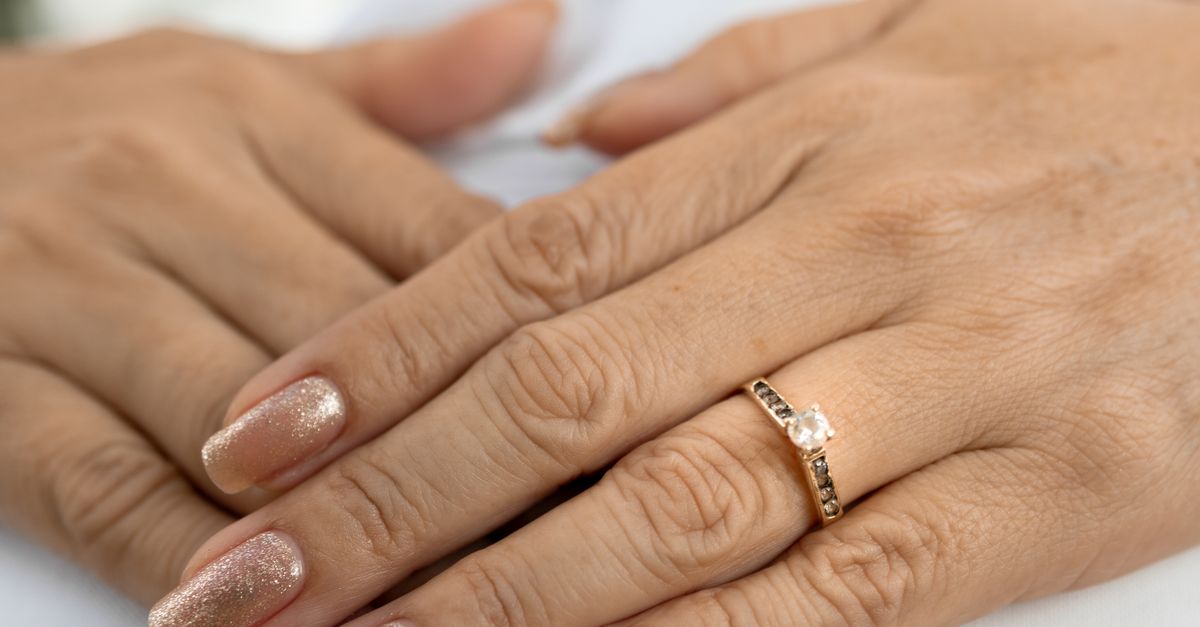
Table Of Contents
The Importance of Diamond Cut
The cut of a diamond significantly impacts its overall appearance and value. This factor determines how well the stone interacts with light, which influences its brightness and scintillation. A well-cut diamond can display impressive fire and brilliance, making it more desirable to buyers. On the other hand, a poorly cut diamond can appear dull and lifeless, regardless of its carat weight or clarity.
Understanding the various types of cuts is essential for making an informed purchase. Different shapes, such as round, princess, or emerald, have their unique qualities and each can exhibit light differently. The depth and angles of the facets also play a crucial role in enhancing or diminishing a diamond's beauty. When evaluating a diamond, prospective buyers should prioritise the quality of the cut to ensure they select a stone that radiates charm and elegance.
How Cut Influences Sparkle and Brilliance
The cut of a diamond plays a pivotal role in its overall appearance, directly influencing how light interacts with the stone. A well-executed cut enhances the gem’s ability to reflect and refract light, creating a dazzling display of sparkle and fire. The proportions, symmetry, and polish of the cut determine how effectively a diamond can capture and return light, making it appear more brilliant and captivating. A poorly cut diamond may lack brilliance despite being of high quality in other aspects, such as clarity or colour.
When assessing the cut quality, consider factors such as depth and table percentages. These measurements influence how light moves through the diamond, affecting its visual appeal. Each shape, whether round, princess, or emerald, has distinct cut criteria that enhance its beauty. Seeking expertise from knowledgeable jewellers can provide insight into which cuts best suit your personal preferences and requirements, ensuring you select a diamond that sparkles with exceptional brilliance.
Finding Reputable Jewellers in Brisbane
When searching for a reliable jeweller in Brisbane, personal recommendations can be invaluable. Friends, family, or colleagues who have recently purchased a diamond ring might provide insights into their experiences. Online reviews and testimonials can also guide you to respected retailers. It’s beneficial to visit local stores to gauge their customer service and product quality firsthand. A welcoming atmosphere coupled with knowledgeable staff can often indicate a legitimate business.
Another essential aspect to consider is the jeweller’s credentials and industry affiliations. Look for membership in reputable organisations such as the Gemmological Association of Australia or similar entities. These affiliations often show a commitment to high standards in quality and ethical practices. Additionally, reputable jewellers should provide comprehensive information about the diamonds they sell, including certification details from recognised grading laboratories. Transparency regarding sourcing and grading ensures a more satisfying purchasing experience.
Key Traits of Trustworthy Diamond Retailers
A reputable diamond retailer will often provide certification for their diamonds, ensuring buyers can trust the quality and authenticity of the stone. This certificate typically comes from a recognised gemological laboratory, detailing essential characteristics like carat weight, colour, clarity, and cut. Transparency about these certifications is a hallmark of a trustworthy dealer, enabling customers to make informed decisions.
Customer service plays a crucial role in identifying reliable retailers. Knowledgeable staff should be willing to answer questions about the diamonds, the purchasing process, and care instructions post-purchase. Positive reviews and testimonials from past clients can also indicate a retailer’s commitment to quality and customer satisfaction. Engaging staff who genuinely prioritise the customer’s needs is essential for a successful buying experience.
Examining Diamond Settings
The setting of a diamond plays a crucial role in enhancing its overall appearance and ensuring its security. Various styles are available, each offering a unique display of the stone. For instance, a solitaire setting highlights a single diamond's brilliance, allowing it to take centre stage. Conversely, a halo setting encircles the main stone with smaller diamonds, creating an illusion of greater size and added sparkle. Choosing the right setting can significantly impact how the diamond is perceived.
Compatibility between the diamond and its setting is essential to achieving a harmonious look. Considerations such as the diamond's shape, size, and unique features must align with the chosen mounting style. For example, a round diamond is well-suited for a classic prong setting which allows maximum light exposure. On the other hand, an emerald cut may pair beautifully with a more protective bezel setting that showcases its elegant lines. Properly matching the diamond with its setting not only accentuates the stone's beauty but also ensures longevity and durability.
Popular Mounting Styles and Their Compatibility
Different mounting styles can significantly influence the overall appearance of a diamond. Classic solitaires have a timeless appeal, allowing the diamond to take centre stage. Halo settings can enhance the visual size of a diamond by surrounding it with smaller stones, which adds extra sparkle. Other options like three-stone settings or pave designs offer unique elements that cater to diverse tastes while ensuring the diamond remains a focal point of the piece.
Compatibility with the diamond is crucial when selecting a mounting style. A well-proportioned diamond pairs beautifully with a matching setting, creating a balanced and harmonious look. Considerations such as the diamond's cut, carat weight, and shape will determine the best mounting choices. Choosing a style that complements the stone not only enhances its beauty but also ensures durability and comfort for everyday wear.
FAQS
What factors should I consider when identifying high-quality diamonds?
When identifying high-quality diamonds, you should consider the four Cs: cut, clarity, colour, and carat weight. The cut significantly affects the diamond's sparkle and brilliance, while clarity refers to the presence of inclusions or blemishes. Colour ranges from colourless to light yellow, and carat weight indicates the size of the diamond.
How can the cut of a diamond influence its appearance?
The cut of a diamond is crucial as it determines how well light is reflected and refracted within the stone. A well-cut diamond will exhibit greater sparkle and brilliance, while a poorly cut diamond may appear dull, regardless of its carat weight or clarity.
What should I look for when selecting a jeweller in Brisbane?
When selecting a jeweller in Brisbane, look for key traits such as a solid reputation, positive customer reviews, knowledgeable staff, and transparent pricing. It’s also advisable to choose a jeweller who provides certification for their diamonds from reputable grading organisations.
What are some common diamond settings available?
Common diamond settings include solitaire, halo, three-stone, and pavé settings. Each setting has its own unique style and can affect the overall appearance of the diamond, so it's essential to choose one that complements the diamond's characteristics and your personal taste.
Is it important to have a diamond certified?
Yes, having a diamond certified by a reputable grading laboratory is important as it provides an objective assessment of its quality based on the four Cs. Certification can help ensure that you are purchasing a high-quality diamond and offer peace of mind regarding its authenticity.
Related Links
Tips for Assessing Diamond Brilliance and SparkleUnderstanding the 4 Cs: Cut, Clarity, Colour, and Carat Weight
Making Sense of Diamond Grading Reports
The Role of Proper Lighting in Evaluating Diamonds
How Diamond Origins Affect Quality and Price
Comparing diamond shapes and their impact on quality
Expert Tricks for Spotting Inclusions and Blemishes
Recognising Fluorescence in Diamonds: What You Need to Know
The Importance of Certification When Buying Diamonds